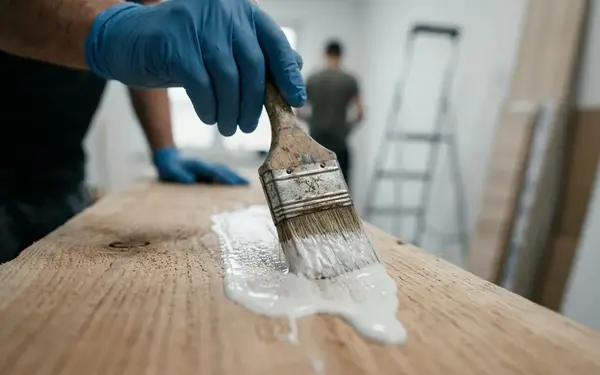
A calm room does not need to be silent. It needs to hold everyday sound gently, so a conversation remains easy, footsteps recede quickly, and the evening news does not seem to bounce from wall to wall. Natural acoustic softening begins with ordinary furnishings: a generous rug, folded linen, wool upholstery, a well-placed bookcase. The useful question is not how to erase sound, but where the room is allowing it to linger.
What's Inside
- Why can a beautiful room still sound unsettling?
- What are you actually hearing: echo, noise, or vibration?
- Which natural materials soften sound most usefully?
- Do rugs, curtains, and upholstery make a noticeable difference?
- Can furniture layout make a room feel quieter?
- A renter-friendly acoustic reset for one afternoon
- The acoustic softening principles worth keeping
- About this guide
- Choose your first change
Why Can a Beautiful Room Still Sound Unsettling?
The calmest homes are shaped around gentle absorption rather than an unrealistic pursuit of total silence.
You usually hear the problem before you can name it. Voices acquire a sharp edge across the room. Footsteps ring on hard flooring. Dish clatter travels beyond the kitchen threshold, while television dialogue becomes tiring before an evening episode has finished. Even ordinary movement can feel louder than the activity warrants.
Visually minimal rooms are particularly prone to this discomfort. Continuous hard floors, uncovered windows, smooth painted walls and sparse seating create a handsome composition, but they leave reflected sound with few places to settle. What looks restful in a photograph may feel surprisingly alert in use.
This does not mean covering every surface. A mindful home still needs visual breathing space. The better approach is to identify the places where sound and daily activity meet, then introduce softness with enough area and depth to matter.
Acoustic calm is less about muting a home than giving its liveliest sounds somewhere to land.
What Are You Actually Hearing: Echo, Noise, or Vibration?
Is the room itself harsh, or is sound entering through the building? That distinction should come before any purchase.
Reverberation happens when sound reflects repeatedly inside a room. Speech, music and appliance noise strike hard surfaces and return toward the listening seat. Porous or fibrous materials absorb part of that reflected energy instead of sending all of it back into the space.
Sound transmission follows another path. It can pass through walls, ceilings, floors, doors, windows or gaps around the building envelope. Footsteps and chair scrape are forms of impact noise; voices, street noise, music and appliances are airborne sound. Full lined curtains may calm reflections from glazing beside a sofa, but they will not stop footfall or scraping transmitted through a ceiling or party wall.
Note: Soft furnishings cannot resolve persistent neighbour noise, building vibration or envelope gaps. Those paths may require landlord involvement or qualified acoustic and building guidance.

Material depth matters too. Thin textiles tend to soften sharper, higher-frequency reflections first. Deeper and denser assemblies can influence a broader range of sound. This is why a substantial rug and pad generally do more useful work than a small decorative textile placed away from the active area.
A sensible diagnosis follows four points: the source, its path, the surrounding surfaces and the seat from which you notice the strain. This is a listening-led method, not a measured reverberation or decibel test.
Which Natural Materials Soften Sound Most Usefully?
Material names can be misleading. Wool is not automatically an acoustic solution, just as cork is not automatically soundproofing. Thickness, covered area and placement usually matter more than the fibre named on the label.
Natural materials and their most useful acoustic roles| Material or product | Useful role | What to check |
|---|---|---|
| Wool rug and pad | Softens floor reflections and movement within an active area | Coverage, pile depth, pad suitability and care requirements |
| Felted wool panel | Adds depth across a smaller hard wall area | Product thickness, fixing method and fire-safety information |
| Wool blanket or upholstery | Introduces softness near beds, seating and conversation zones | Shedding, cleaning, pets and household sensitivities |
| Cork flooring or underlay | Contributes to comfort as part of a substantial floor assembly | Product construction, humidity exposure and installation limits |
| Lined linen curtains | Softens reflections across large windows or walls | Fullness, folds, lining, hanging gap and secure hardware |
Does wool make a room quieter?
It can help, but product form decides how much. A wool rug covering the main walk and seating area behaves differently from a folded blanket on one chair. Rug pads, felt panels and upholstered pieces each add a different combination of area, density and depth.
Is cork good for soundproofing?
Cork flooring, underlay and substantial wall products can contribute to acoustic comfort. A few thin cork accent tiles on one feature wall will leave speech and dish clatter sounding harsh if the living room still has exposed hard flooring and little upholstered furniture. Treat decorative tiles as a surface detail, not a soundproofing system.
Can linen absorb sound?
Linen becomes more useful when it hangs with generous fullness, visible folds, lining and a little space between the fabric and the window or wall. A single taut layer has a subtler effect. The fabric may be natural, but the assembly determines its performance.
Do Rugs, Curtains, and Upholstery Make a Noticeable Difference?
Yes, when they work as a coordinated layer across several reflective planes. One token soft object in an otherwise bare room rarely changes the character of the space.
Start with the floor. A rug should cover the active furniture zone or sit alongside the grouping where voices, footsteps and chair movement concentrate. A small bath mat beneath a coffee table barely changes conversation harshness when the seating group and main walking path remain on exposed hard floor. Add a cushioned pad where the rug, flooring and household use allow it.
At the window, generous width matters. Curtains should retain folds when closed rather than stretching flat across the glazing. Lining adds body, while a secure track or rod supports the weight without sagging.
One reminder: keep curtains clear of heaters, vents, doors and required safety equipment.
Upholstery supplies depth near the people making and receiving sound. A fabric sofa, padded dining chairs, an upholstered bench or loose cushions can soften the furniture-level reflections around conversation without turning a living room into a recording studio.
For a sitting room, a useful combination is a rug and pad beneath the seating, lined linen across the glazing and one substantial upholstered piece. In a dining room where a rug is impractical around food, consider lined curtains, padded chair seats, a textile wall hanging or an upholstered bench. The mix changes with the room; the principle of treating more than one plane does not.
Can Furniture Layout Make a Room Feel Quieter?
Layout changes the path sound takes. Seating pushed against bare parallel walls often leaves voices moving between large, uninterrupted reflective surfaces. A grouped arrangement with textiles, upholstery and varied furniture depths nearby feels less exposed.
Place the most absorptive elements where they support a real routine: around a conversation area, beside a bed, beneath a desk chair or across the large window opposite a hard wall. In an open-plan room, a rug and upholstered seating can define a gentler acoustic zone without adding a partition.
Open shelving filled with books and objects of mixed depths can break up reflections. It is a supporting scatterer, not a substitute for absorption. A bare room does not become acoustically soft simply because one wall holds a bookcase.
Keep circulation in view. Moving an armchair into a long empty sound path may help, but not if it narrows an exit or turns the route through the room into an obstacle course. Mark likely changes in a design notebook, then live with the furniture shift before buying anything.
Visual restraint still has a place. Repeat a limited textile palette across the rug, curtain and upholstery rather than soft-covering every plane. The room can retain its architectural clarity while gaining predictability, less clatter and a more defined retreat.
A Renter-Friendly Acoustic Reset for One Afternoon
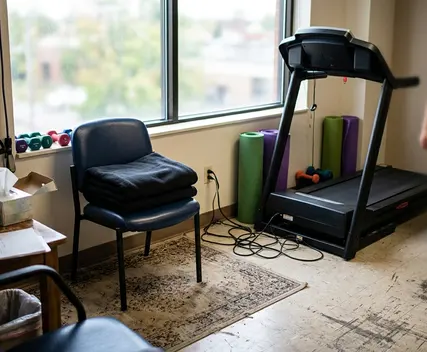
Quick Tip: Choose the single room and habitual listening position that cause the most strain. Trying to treat the entire home at once makes it harder to hear which change worked.
- Quiet the obvious sources. Switch off or temporarily remove avoidable sounds so the room's reflections become easier to identify.
- Trial textiles you already own. Move a rug, folded blanket, cushions or an upholstered chair into the problem area. Listen from the usual seat during a normal evening routine.
- Cover the largest useful bare plane. Test a secured curtain, a large rug with a suitable pad, or a substantial textile hanging fixed with renter-approved hardware.
- Break the longest empty path. Shift furniture away from bare parallel surfaces while keeping walkways, doors and exits clear.
- Listen again before shopping. Notice whether conversation takes less effort, clatter fades sooner and the room feels more settled in ordinary use.
The temporary trial is directional. It will not produce a formal acoustic measurement, but it can reveal whether the room needs more softness at the floor, window, wall or seating level.
Resist the clean beauty habit of judging only by appearance. A blanket draped over a chair may not be the final composition, yet it can expose the value of adding upholstered depth in precisely that position. Test first; refine the material palette later.
The Acoustic Softening Principles Worth Keeping
Summary:
- Treat echo inside the room and sound transmission through the building as different problems.
- Rank surface area, depth, placement and layered construction above decorative product labels.
- Where the room allows, combine floor treatment, a window or wall textile and upholstered depth.
- Trial items already owned before making permanent purchases.
- Judge success by easier conversation, less clatter and better daily comfort, not studio-level silence.
About This Guide
The olivinelife editorial team prepared this guide as practical residential material and layout guidance for everyday acoustic comfort within a mindful home. Its scope covers reversible furnishing choices, natural textiles and room arrangement rather than construction work.
It does not replace an on-site acoustic assessment, building diagnosis, lease guidance or professional advice for persistent structural noise.
Choose Your First Change
Begin with one room, one recurring sound and one large reflective surface near the place where you normally sit. Make a reversible change, then live with it through several days of conversation, meals, television and movement. Add another layer only if the first one makes the room more comfortable.
Which single surface will you soften first—the floor, the window, or the bare wall nearest your everyday listening spot?