

What Does Nervous System Regulation Actually Mean?
How can you support your nervous system when your body feels wired, shut down, or stretched beyond its capacity? Modern environments constantly ping our threat detection systems, leaving many people operating in a state of chronic vigilance. Nervous system regulation is the body’s ability to move between alertness, action, connection, rest, and recovery without getting stuck in one state.
It is not about maintaining a state of perpetual calm. Regulation means flexibility. It means having the capacity to recover from stress and exercising more choice in how you respond to daily life. When you are regulated, you can meet a challenge with energy and then return to a baseline of safety once the challenge passes.
Before You Begin: When Self-Regulation Is Not Enough
Breathwork, grounding exercises, and lifestyle boundaries offer substantial support for everyday stress. However, intense trauma symptoms, panic attacks, thoughts of self-harm, severe depression, or symptoms that disrupt basic daily functioning deserve professional support.
Olivinelife’s wellness guidance focuses on accessible lifestyle practices and does not diagnose, treat, or replace care from a licensed clinician. Self-regulation tools work best as a complement to, rather than a replacement for, dedicated therapeutic care. Building a foundation of safety sometimes requires an external anchor before internal practices can take root.
The Body States Behind Stress, Stillness, and Recovery
Sympathetic activation provides the mobilized energy required to meet challenges. Parasympathetic support facilitates restorative recovery and social connection. Neither state is inherently good or bad. Stress responses are highly protective and entirely context-dependent.
When the nervous system perceives a threat, it shifts into activation to keep you safe. You might notice shallow breathing, racing thoughts, jaw tension, restlessness, digestive changes, irritability, or a persistent sense of urgency. Conversely, when the system is overwhelmed, it may shift into a shutdown state where you feel heavy, disconnected, or entirely drained of motivation. Recognizing these signs allows you to intervene before the activation or shutdown becomes entrenched.
Tip: Use a 60-Second Body Check-In Before Choosing a Practice
Pause before taking action. Feel your feet on the floor. Notice the pace of your breath. Scan your jaw, shoulders, and belly for tension. Name your current state using plain language rather than clinical terminology.
Three simple labels work well: amped, flat, or fragile.
The label you choose directly guides your practice. An amped state often requires longer exhales or physical grounding. A flat state benefits from light movement or direct sunlight. A fragile state needs softness, warmth, and a reduction in sensory input.
A reliable sequence involves two minutes of walking followed by five slow exhales, concluding with one sensory observation. Readers managing fatigue or limited mobility should shorten the walking segment to match their current energy levels.
Breath Practices That Signal Safety Without Forcing Calm
Breath remains highly accessible because it is always present, easily adjustable, and closely tied to both arousal and recovery. Where the National Center for Complementary and Integrative Health guidance on relaxation techniques outlines foundational approaches, gentle respiratory adjustments effectively signal safety to the brain.
Extended exhale breathing involves inhaling comfortably and exhaling for a slightly longer duration. This simple mechanical shift lowers the heart rate. Low-and-slow nasal breathing focuses on drawing air deep into the abdomen at a measured pace. Humming or sighing provides a sound-based release that stimulates the vagus nerve.
Inhale comfortably. Exhale slightly longer. Repeat for a few rounds. Return to normal breathing.
Note: These practices may increase discomfort if performed during acute panic. Shift to physical grounding if focusing on the breath causes distress.
Movement and Grounding for Releasing Built-Up Stress
Activation often generates physical energy. Stillness is not always the most effective first step.
Gentle movement helps discharge this energy. Try slow walking, pushing firmly against a wall, rolling your shoulders, shaking out your hands, performing calf raises, or stretching the side body. Pushing against a solid surface provides proprioceptive feedback, which helps the brain locate the body in space and reduces feelings of overwhelm.
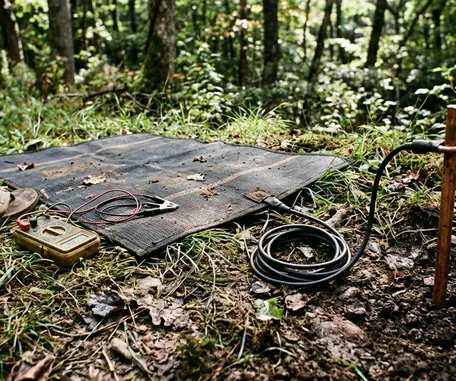
Grounding relies on direct physical contact to anchor your attention. Place your feet flat on the floor. Press your back against a solid wall. Wrap your palms around a warm mug. Notice the specific texture of the fabric on your clothing. These tactile inputs interrupt looping thoughts by forcing the brain to process immediate physical data.
Rest, Sensory Cues, and Boundaries That Make Regulation Sustainable
Nervous system support becomes significantly easier when your home, schedule, and digital inputs demand less of your energy. Constant notifications keep the brain in a low-level state of threat detection. Restorative rest extends far beyond sleep.
Lie down for ten quiet minutes. Dim the overhead lights. Pull a heavy blanket over your legs. Reduce multitasking and take a deliberate, no-input pause.
Sensory cues shape the environment. Incorporate warm light, natural textures, and uncluttered surfaces. Use scent-free or softly scented products alongside gentle music and comfortable room temperatures. Sensory preferences vary widely by individual and cultural background, so adjust these elements to match what genuinely feels safe to you.
Build a Personal Regulation Menu You’ll Actually Use
Create a short, accessible menu of practices tailored to three specific states: wired, depleted, and overwhelmed.
For a wired state, combine longer exhales with a brisk walk. When depleted, pair direct sunlight with a protein-rich snack and ten minutes of quiet. If overwhelmed, put the phone away, grab a heavy blanket, and identify just one clear next step.
Test these practices for one week. Adjust your menu based entirely on how your body responds, rather than what sounds most impressive on paper.
Commit to one specific practice for the next seven days. Write it down, place it where you will see it, and execute it daily. Action builds capacity—and consistent, gentle intervention is the only reliable mechanism for long-term nervous system resilience.